

If you're thinking about buying a water storage tank, you've come to the right place. In this comprehensive guide, we'll provide you with all the information you need to choose the perfect tank.
Water storage tanks are essential for ensuring a safe and reliable water supply to your home or business. However, with so many options available on the market, choosing the right one can be overwhelming.
In this guide, we'll break down the different types of water storage tanks, from traditional plastic tanks to modern stainless steel tanks. We'll also discuss key factors to consider when selecting a tank, such as storage capacity, durability, and water quality.
Our goal is to provide you with all the information you need to make an informed decision and find the perfect water storage tank for your needs. Let's get started!
What are water storage tanks?
Water storage tanks are containers designed to safely and reliably hold large quantities of water. These tanks are used in a variety of applications, from supplying drinking water to homes and businesses to storing water for industrial or agricultural use.
Water storage tanks come in different sizes and materials, and are designed to meet various water storage and distribution requirements. Some tanks are portable and can be easily transported, while others are stationary tanks that are permanently installed in a specific location.
Beyond their external appearance, water storage tanks are equipped with internal features and components that ensure the quality and safety of the stored water. These tanks are essential for guaranteeing a reliable water supply in emergencies, as well as for daily use in areas where access to water may be limited.
Importance of water storage tanks
Water storage tanks play a crucial role in the safety and well-being of individuals and communities. By having a reliable supply of stored water, disruptions in the water supply caused by power outages, municipal supply problems, or natural disasters can be avoided.
In addition to providing a supply of potable water, water storage tanks are also used to store non-potable water for applications such as garden irrigation, cooling systems, or firefighting. These tanks allow for efficient water use by storing water when available and releasing it when needed.
In rural or remote areas where water supplies may be scarce, water storage tanks are especially important. These tanks allow communities to store water during rainy periods or when the supply is abundant, for later use during periods of drought or scarcity.
In summary, water storage tanks are essential to ensure a reliable water supply both in emergency situations and for daily use, and are an important investment for the safety and well-being of people and communities.
Types of water storage tanks
There are different types of water storage tanks available on the market, each with its own characteristics and advantages. Below are some of the most common types of water storage tanks:
- Plastic tanks: These tanks are made of high-density polyethylene (HDPE) or polypropylene (PP) and are popular due to their relatively low cost and corrosion resistance. Plastic tanks are lightweight, easy to install, and require minimal maintenance.
- Steel tanks: Steel tanks are durable and strong, making them ideal for industrial or commercial applications. These tanks can be coated with materials such as epoxy to protect them against corrosion. However, steel tanks can be more expensive and require regular maintenance to ensure their longevity.
- Fiberglass tanks: Fiberglass tanks are lightweight, strong, and corrosion-resistant, making them suitable for a variety of applications. These tanks are ideal for areas with high levels of corrosion or where lightweight construction is required, such as marine or industrial applications.
- Concrete tanks: Concrete tanks are durable and can have a long lifespan. These tanks are commonly used to store large volumes of water in agricultural, municipal, or industrial applications. However, concrete tanks may require specialized installation and regular maintenance to prevent water leakage.
When choosing a water storage tank, it's important to consider its intended use, the environment in which it will be installed, and your specific water storage and distribution requirements. Each type of tank has its own advantages and disadvantages, and it's important to select the right type to suit your needs and budget.
Factors to consider when choosing a water storage tank
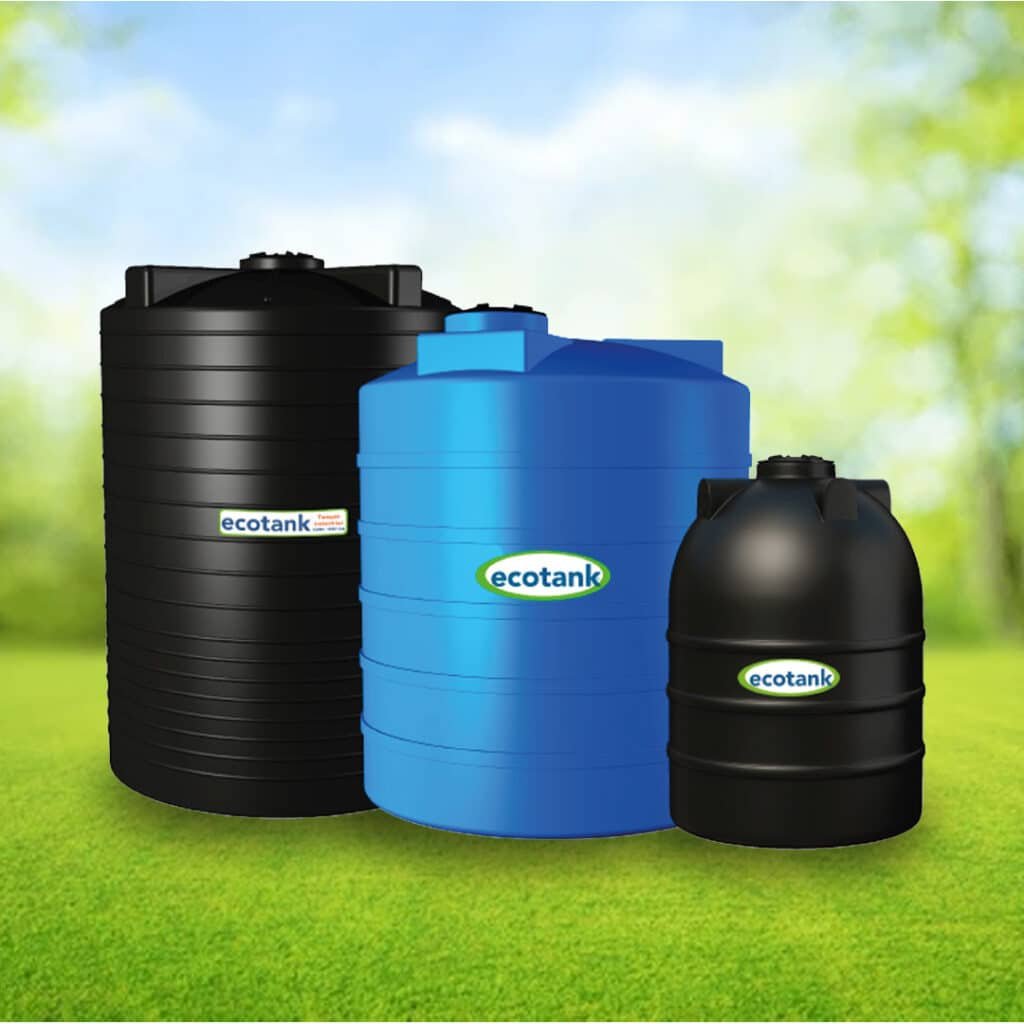
When choosing a water storage tank, there are several important factors to consider. These factors can influence the tank's capacity, performance, and durability, and will help determine which tank is best suited to your needs. Below are some of the key factors to consider:
- Storage capacity: The tank's storage capacity is one of the most important factors to consider. You must take into account the amount of water you need to store and use, both in emergency situations and for daily use. It's important to choose a tank with the appropriate capacity to meet your water supply needs.
- Dimensions and available space: The size and dimensions of the tank are important for determining where it can be installed and whether it fits the available space. It is essential to measure the available space before choosing a tank to ensure it fits correctly in the designated area.
- Water quality: Water quality is a crucial factor to consider when choosing a water storage tank. Some tanks are specifically designed to ensure the purity of the stored water, while others may require additional treatment to maintain water quality. It is important to consider the water source and quality requirements when selecting a tank.
- Durability and strength: The tank's durability and strength are key aspects to ensure a long lifespan and reliable performance. It is important to select a tank made of strong and durable materials capable of withstanding environmental conditions and its intended use.
- Cost and Budget: The cost of the tank and your available budget are also important factors to consider. Different types of water storage tanks vary in price, and it's essential to find a balance between cost and quality that fits your budget.
By considering these factors and carefully evaluating your individual needs and requirements, you can make an informed decision when choosing the right water storage tank for you. Remember that every situation is unique, and it's important to find the right balance between capacity, quality, durability, and cost.
Capacity and dimensions of water storage tanks
The capacity and dimensions of water storage tanks vary depending on the tank type and individual water storage needs. It is important to select a tank with the appropriate capacity to meet water supply requirements, both in emergency situations and for daily use.
Water storage tanks are available in a wide range of capacities, from small tanks for domestic use to large tanks used in commercial or industrial applications. When choosing a tank capacity, you should consider the amount of water you need to store and use, as well as the available space for tank installation.
The tank's dimensions are also important to ensure it fits correctly in the available space. Measuring the available space before choosing a tank is essential to guarantee a proper fit and avoid installation problems.
When selecting the capacity and dimensions of your water storage tank, it is advisable to consult with a professional or trusted tank supplier who can help you determine the best options for your specific needs.
Materials used in water storage tanks
Water storage tanks are manufactured from a variety of materials, each with its own advantages and disadvantages. The choice of tank material will depend on several factors, such as the intended use, the environment in which it will be installed, and the water storage requirements.
The following are some of the most common materials used in the manufacture of water storage tanks:
- Plastic: Plastic water storage tanks are popular due to their relatively low cost, corrosion resistance, and ease of installation. Plastic tanks are made from materials such as high-density polyethylene (HDPE) or polypropylene (PP). These tanks are lightweight, durable, and require minimal maintenance.
- Steel: Steel water storage tanks are durable and strong, making them ideal for industrial or commercial applications. Steel tanks can be coated with materials such as epoxy to protect them against corrosion. However, steel tanks can be more expensive and require regular maintenance to ensure their longevity.
- Fiberglass: Fiberglass water storage tanks are lightweight, durable, and corrosion-resistant, making them suitable for a variety of applications. These tanks are ideal for areas with high levels of corrosion or where lightweight construction is required, such as marine or industrial applications.
- Concrete: Concrete water storage tanks are durable and can have a long lifespan. These tanks are commonly used to store large volumes of water in agricultural, municipal, or industrial applications. However, concrete tanks may require specialized installation and regular maintenance to prevent water leakage.
The choice of tank material will depend on your individual needs, the environment in which it will be installed, and the specific water storage and distribution requirements. It is important to consult with a professional or trusted tank supplier to determine the most suitable material for your situation.
Maintenance and care of water storage tanks
Proper maintenance and care of water storage tanks are essential to ensure reliable performance and a long tank lifespan. Below are some tips and guidelines to help you keep your tank in optimal condition:
- Regular cleaning: It is important to clean the tank regularly to remove any buildup of sediment, algae, or other contaminants. The frequency of cleaning will depend on the environment and how often the tank is used. It is recommended to empty and clean the tank at least once a year.
- Visual inspection: Perform regular visual inspections of the tank to check for any signs of damage, corrosion, or leaks. Pay attention to gaskets, valves, and connections to ensure they are in good working order.
- Maintenance of internal components: Some water storage tanks may have internal components, such as filters or water purification systems. It is important to follow the manufacturer's instructions for the maintenance and replacement of these components to ensure optimal tank performance.
- Freeze protection: If you live in an area where temperatures can drop below freezing, it's important to take steps to protect your water storage tank from freezing. This may include insulating the tank or using heaters or heating systems.
- Water level monitoring: Keep track of the water level in your tank to ensure you always have enough water available. This is especially important in areas where water supplies may be limited or during periods of drought.
By following these maintenance and care guidelines, you can keep your water storage tank in optimal condition and ensure a reliable water supply.
Installation of water storage tanks
Proper installation of water storage tanks is crucial to ensuring reliable performance and a long tank lifespan. The following are some steps to follow during tank installation:
- Select a suitable location: Choose a suitable location to install the water storage tank. The location should be flat, level, and sturdy enough to support the weight of the tank when full of water. Also, ensure the area is free of obstructions and easily accessible for installation and maintenance.
- Area preparation: Prepare the area where the tank will be installed by removing any obstructions or vegetation. Ensure the ground is level and compacted to provide a solid base for the tank.
- Tank Installation: Follow the manufacturer's instructions for tank installation. This may include the assembly of additional components, such as gaskets, valves, or filtration systems. Be sure to follow the manufacturer's recommendations to ensure proper and safe installation.
- Plumbing Connections: Make the necessary plumbing connections to connect the tank to your water supply system. These connections may include inlet and outlet pipes, as well as control valves.
- Leak test: Before putting the tank into operation, perform a leak test to ensure there are no leaks at the connections or in the tank itself. Fill the tank with water and check for any water loss in the system.
- Start-up: Once the tank is installed and tested, fill it with water and put it into operation according to the manufacturer's instructions. Be sure to follow the maintenance and operating recommendations to ensure optimal tank performance.
It is important to follow the manufacturer's instructions and, if necessary, Consult with a professional or trusted tank supplier during tank installationProper installation will ensure reliable performance and a long tank lifespan.
Additional benefits of water storage tanks
In addition to providing a reliable water supply, water storage tanks offer a number of additional benefits. Some of these benefits are listed below:
- Water saving: By storing water during periods of abundance, such as heavy rains, you can make the most of the available water resource and reduce dependence on municipal water supplies or wells.
- Efficient water use: Water storage tanks allow for efficient water use by storing water when available and using it when needed. This is especially important in areas with water restrictions or where the water supply is limited.
- Emergency reserve: Water storage tanks provide a water reserve in case of emergencies, such as power outages or problems with the municipal water supply. This ensures that water is always available for basic needs, such as drinking, cooking, or personal hygiene.
- Flexibility in water distribution: Having a water storage tank allows for greater flexibility in water distribution. This is especially useful in agricultural, industrial, or commercial applications where a constant water supply is required.
- Long-term cost reduction: While installing a water storage tank may require an initial investment, it can result in significant long-term savings on water costs. By storing water during periods of abundance, you can reduce your reliance on the municipal water supply, which can lead to long-term savings.
In summary, water storage tanks not only provide a reliable water supply, but also offer a number of additional benefits, such as water conservation, efficient water use, and emergency reserves. These benefits make water storage tanks a valuable investment for homes, businesses, and communities.
Conclusions and recommendations
In conclusion, water storage tanks are essential for ensuring a safe and reliable water supply in homes, businesses, and communities. When choosing a water storage tank, it is important to consider factors such as capacity, dimensions, materials, and specific water storage and distribution requirements.
Water storage tanks are available in different types and materials, such as plastic, steel, fiberglass, and concrete. Each type of tank has its own advantages and disadvantages, and it's important to select the right type to suit your needs and budget.
Proper tank maintenance and care are essential to ensure reliable performance and a long lifespan. Correct tank installation is also crucial for optimal operation.
In addition to providing a reliable water supply, water storage tanks offer additional benefits such as water conservation, efficient water use, and emergency reserves.
In general, water storage tanks are a valuable investment for the safety and well-being of individuals and communities. By selecting the right tank and following maintenance and care guidelines, you can enjoy a reliable water supply and make the most of this vital resource.